SimpleLab Guide to Lead Testing Kits for Water, Paint, Soil & More
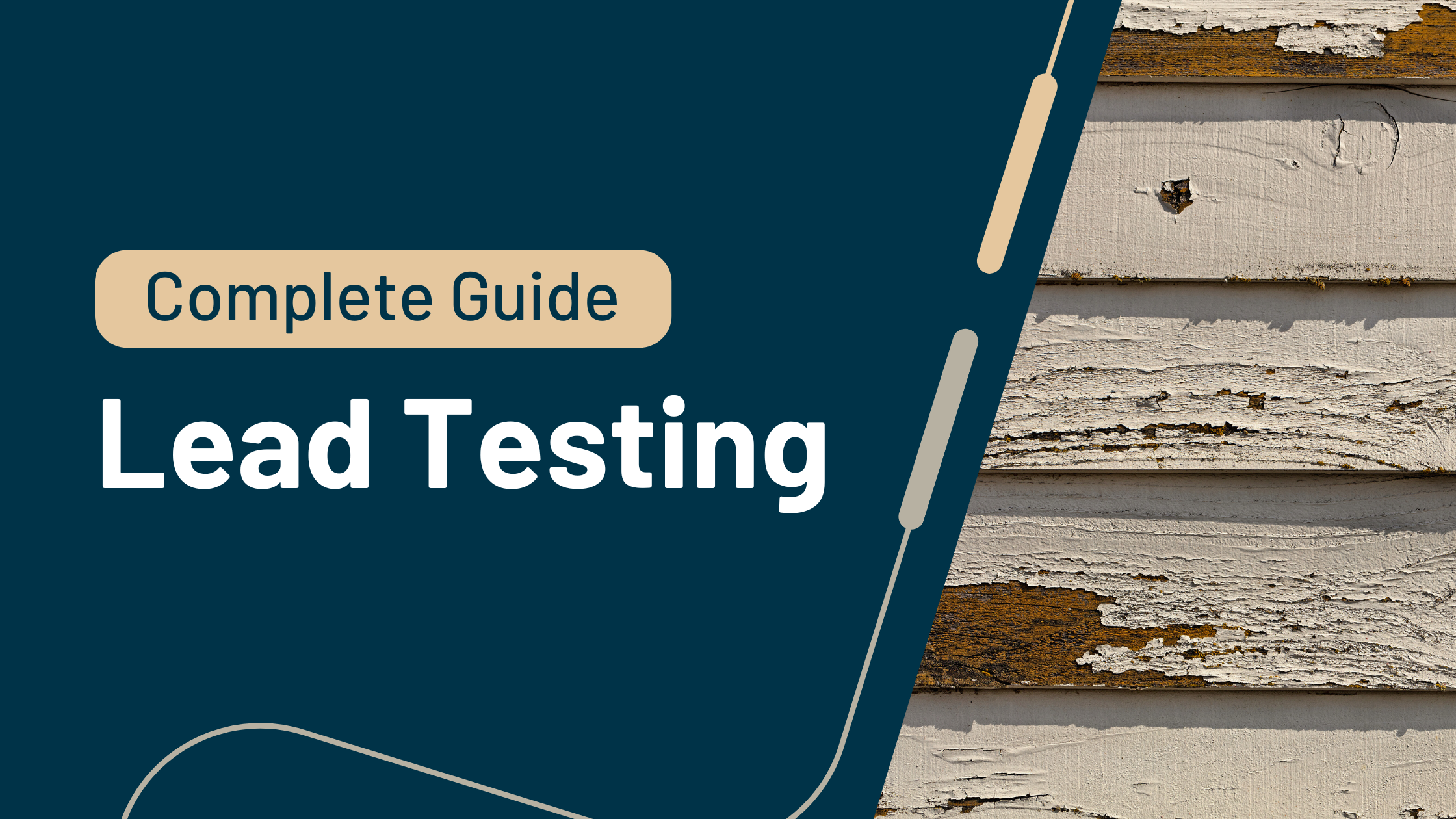
Lead can be found in materials such as older paint, household dust, plumbing systems, soil, and certain food products. When questions come up, the most reliable way to check for lead is by sending a sample to a certified laboratory for analysis.
SimpleLab’s mail-to-lab lead testing kits make that process simple. Collect the sample using the materials provided, ship it to a certified lab, and receive clear results. Whether you want to test paint chips, surface dust, drinking water, soil, or food, SimpleLab offers a straightforward way to test for lead.
Table of Contents:
- Testing for Lead the Right Way
- Test for Lead in Paint or Surface Dust
- Lead in Drinking Water
- Lead in Soil
- Lead in Food or Ingredients
- Lead in Personal Care Products
- Who Should Test for Lead
- Frequently Asked Questions
- Why SimpleLab?
How to Test for Lead The Right Way
The most reliable way to test for lead is laboratory analysis of a collected sample.
Professional labs use specialized analytical instruments to measure metals like lead down to very low concentrations. Government guidance for evaluating lead hazards commonly relies on laboratory sampling of materials such as paint, dust wipes, soil, and water.
SimpleLab lead testing kits make this process accessible:
- Choose the kit designed for the material you want to test
- Collect the sample using the included materials
- Mail the sample to a certified laboratory
- Receive clear digital results
DIY test strips and color-change kits may accurately let you know that lead is present but do not provide precise, quantitative measurements of the lead’s concentration. Mail-to-lab testing offers reliable data from a professional lab.
Choosing the Right SimpleLab Lead Test Kit
Lead contamination can occur in different materials. SimpleLab offers kits designed for each scenario.
Test for Lead in Paint, Dust, & Other Solid Materials
Lead Paint Chip Test
Lead Paint Chip Test
$78.00
What it’s for:
For testing chips of paint that may contain lead. This is often used in older buildings where lead-based paint may still be present. It is a test of the chip of paint itself, not of dust or other materials from the area. Also available in 4-packs, RUSH, and RUSH 4-packs:
Lead Paint Chip Test (4x)
$232.00
RUSH: Lead Paint Chip Test
$119.00
RUSH: Lead Paint Chip Test (4x)
$325.00
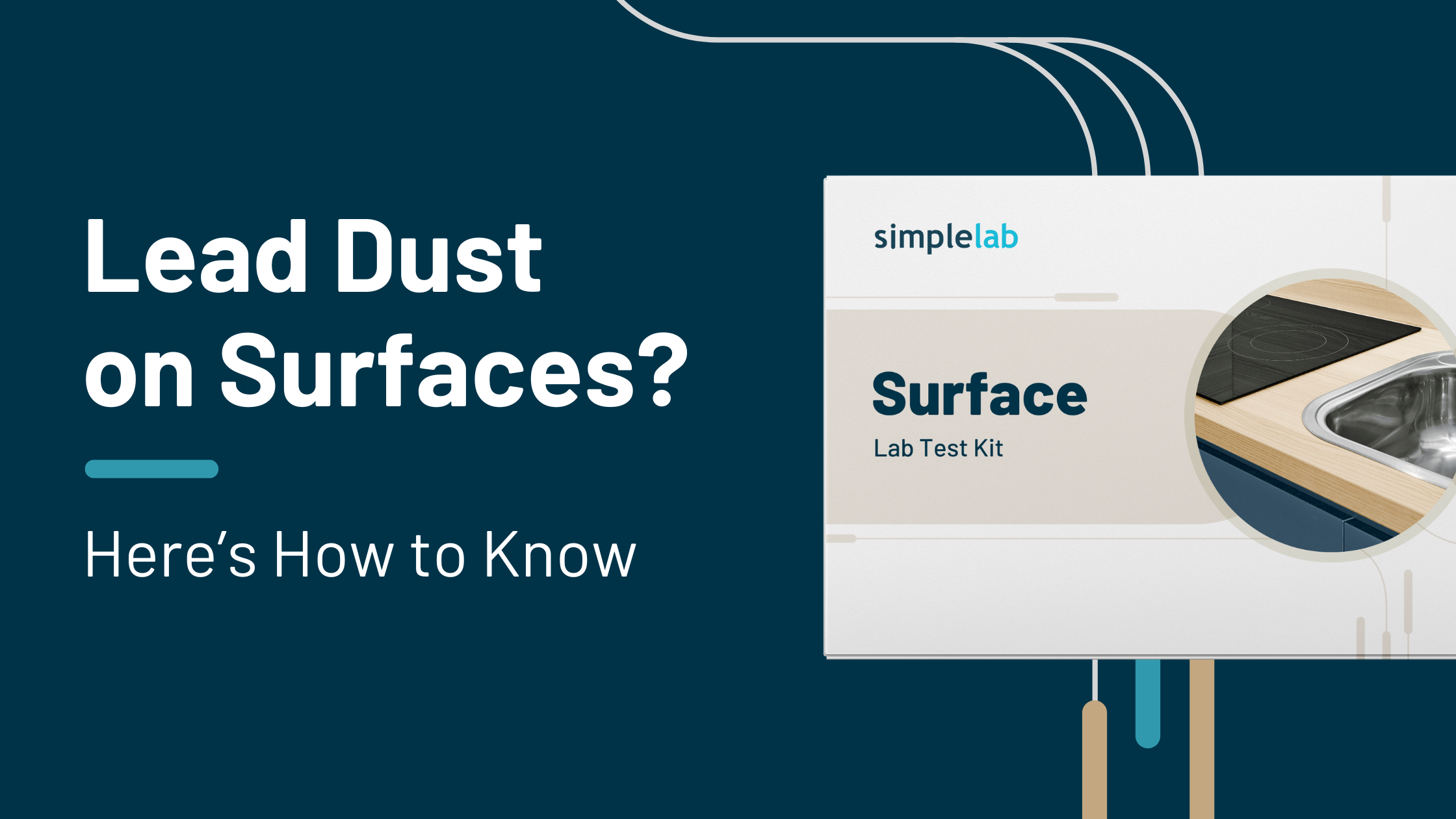
Lead Dust Surface Wipe Test
Lead Dust Surface Wipe Test
$61.00
What it’s for:
Used to test dust on floors, windowsills, or other surfaces. EPA guidance uses wipe sampling to evaluate lead dust hazards in buildings. Also available in 4-packs, RUSH, and RUSH 4-packs:
Lead Dust Surface Wipe Test (4x)
$133.00
RUSH: Lead Dust Surface Wipe Test
$102.00
RUSH: Lead Dust Surface Wipe Test (4x)
$175.00
RCRA 8 Metals Surface Wipe Test
RCRA 8 Metals Surface Wipe Test
$218.00
What it’s for:
Tests surfaces for a broader group of regulated metals, including lead. This can be useful in industrial, manufacturing, or remediation scenarios. These tests are commonly used after renovation work, when evaluating older homes, or when verifying cleanup after potential contamination. Also available in 4-packs, RUSH, and RUSH 4-packs:
RCRA 8 Metals Surface Wipe Test (4x)
$902.00
RUSH: RCRA 8 Metals Surface Wipe Test
$289.00
RUSH: RCRA 8 Metals Surface Wipe Test (4x)
$1242.00
Lead XRF Solid Material Test
Lead XRF Solid Material Test
$298.00
What it’s for:
This test measures lead in solid materials such as ceramics, glassware, plastics, metals, and other manufactured items using X-ray fluorescence (XRF) analysis, a method commonly used to screen products and materials for metals. RUSH available:
RUSH: Lead XRF Solid Material Test
$514.00
Test for Lead in Drinking Water
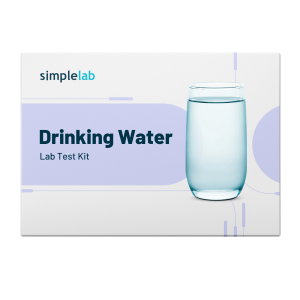
Lead Water Test
Lead Water Test
$59.00
What it’s for:
Lead enters drinking water primarily through the corrosion of plumbing materials such as pipes, solder, and fixtures. This lead water test allows you to collect a tap water sample and send it to a certified laboratory to determine the concentration of lead in the water (if it’s present). RUSH test available.
Commonly used when:
- Moving into an older home
- Evaluating plumbing materials
- Investigating changes in water taste, color, or quality
Test for Lead in Soil
Heavy Metals Soil Test
Heavy Metals Soil Test
$166.00
What it’s for:
Lead contamination in soil can occur from historical use of lead-based paint, industrial emissions, or legacy pollution sources. EPA guidance includes protocols for sampling soil when assessing residential environments. This kit allows homeowners, gardeners, or property managers to screen soil for lead and other heavy metals.
Test for Lead in Food or Ingredients
Heavy Metals Food Test - 4A
Heavy Metals Food Test - 4A
$222.00
What it’s for:
Laboratory testing for lead and three other heavy metals that are sometimes found in food ingredients or finished products.
This type of testing is often used by:
- Food producers
- Importers
- Quality control teams
- Individuals concerned about ingredient contamination
Heavy Metals Dietary Supplement Test
Heavy Metals Food Test - 4A
$222.00
What it’s for:
This kit allows a supplement sample to be sent to a certified laboratory for analysis of lead and three other heavy metals. Lead can sometimes be found in dietary supplements, including powders, capsules, tablets, or liquid products. Laboratory testing can be used to evaluate supplements for heavy metals as part of quality control or product screening.
Test for Lead in Personal Care Products
Low-Level Heavy Metals Personal Care Product Test
Low Level Heavy Metals Personal Care Product Test
$197.00
What it’s for:
Trace metals such as lead can sometimes be found in personal care products, including cosmetics, lotions, and other topical products. This kit allows a personal care product sample to be submitted to a certified laboratory for analysis of lead and other heavy metals at low levels.
Who Should Use Lead Testing Kits?
SimpleLab lead testing kits are designed for anyone who wants professional laboratory results without coordinating directly with a lab. These kits are commonly used by:
- Homeowners evaluating older homes
- Property managers or inspectors
- Contractors evaluating contamination after renovation
- Gardeners testing soil quality
- Families evaluating drinking water
- Food producers performing quality checks
Each kit includes clear instructions and prepaid shipping so samples can be sent directly to a certified laboratory. If you are concerned about lead in your environment, SimpleLab likely has a kit designed for the specific material or exposure route you are concerned about.

Frequently Asked Questions
How do you test for lead accurately?
Lead is most accurately measured through laboratory analysis of a collected sample, such as paint chips, dust wipes, soil, water, or food. Mail-to-lab testing allows certified laboratories to measure lead using specialized analytical equipment.
Can I test for lead with a DIY kit?
DIY strips and color-change kits may accurately indicate whether lead is present, but they do not provide precise measurements. Certified laboratory testing is the appropriate method when you need reliable results.
Where is lead most commonly found?
Lead may appear in several materials, including:
- Older paint
- Household dust
- Building materials
- Soil near buildings
- Drinking water
- Certain foods, ingredients and supplements
- Personal care products
Testing the specific material of concern is the best way to determine whether lead is present.
Why use a mail-to-lab test kit?
Mail-to-lab kits make professional testing accessible. Instead of coordinating with a laboratory directly, you can collect a sample and ship it to a certified lab using a SimpleLab kit.
Results are delivered digitally once analysis is complete.
Why SimpleLab?
Lead contamination questions can arise in many parts of everyday life — from homes and plumbing to soil, food and personal care products. SimpleLab’s mail-to-lab testing kits make certified laboratory testing accessible, allowing you to collect samples and receive professional results without complicated lab coordination.
If you are wondering how to test for lead, SimpleLab provides a straightforward solution.
Sam brings expertise in water chemistry and environmental engineering to support scientific standards at SimpleLab. She earned Bachelor’s and Master’s degrees in Environmental Engineering and has experience in environmental analytical chemistry research.
About SimpleLab
SimpleLab combines world-class laboratory science with customer service to ensure testing your environment is simple, fast and factual. Everything we do is driven by data and supported by a team of experts ready to answer your questions.