SimpleLab Guide to Testing Cosmetics
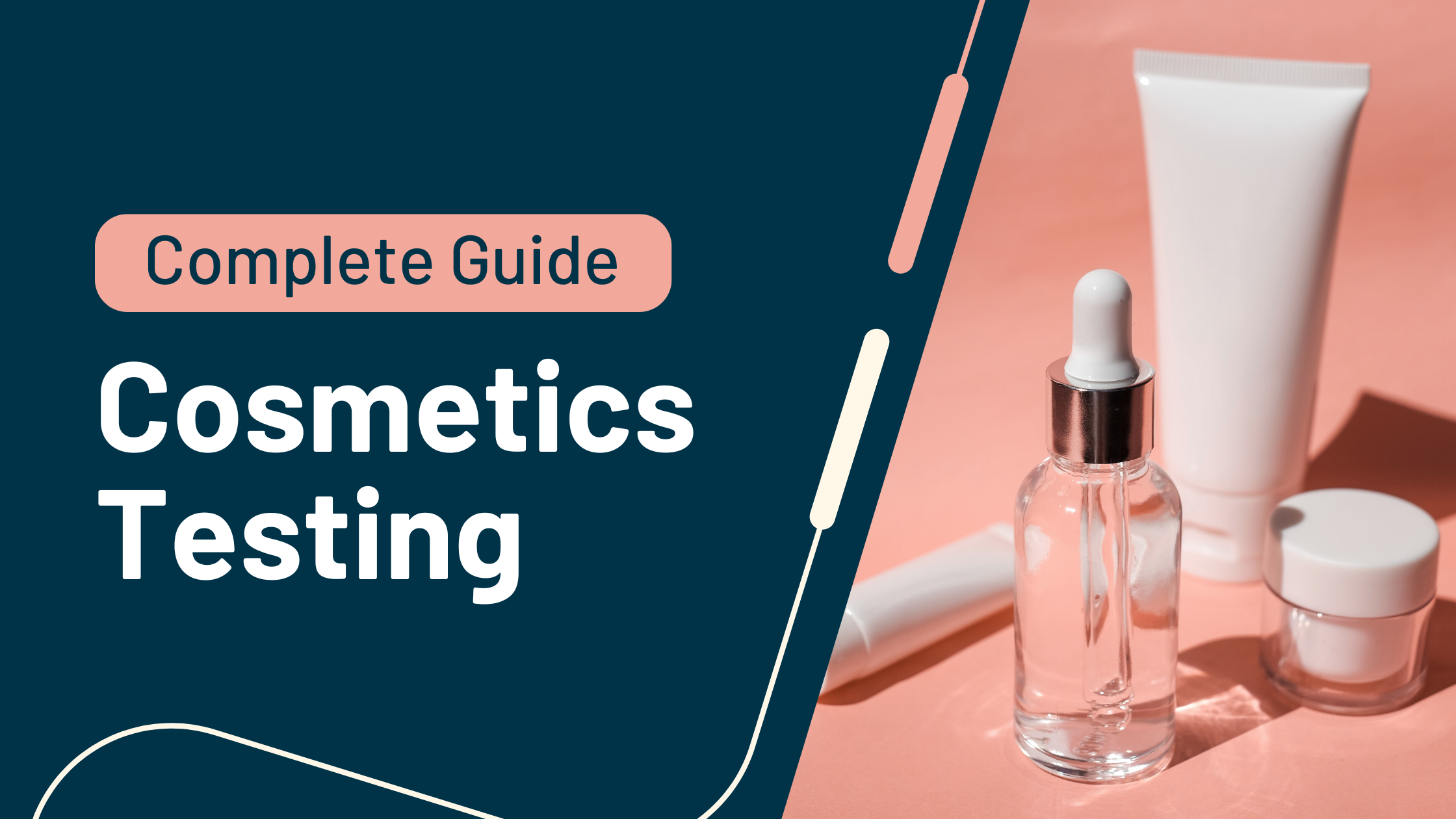
Cosmetic product testing helps verify the hygiene, quality and consistency of products we apply to our skin every day. Whether you are developing a new formula, managing a small brand, reviewing supplier materials, or simply seeking clarity about a specific product, laboratory testing provides objective data.
This guide explores the mail-to-lab cosmetic testing kits SimpleLab offers for microbial screening, metals analysis, and benzene detection.
Table of Contents:
- How Do You Test Cosmetic Products
- Finding the Right Cosmetic Product Test
- Frequently Asked Questions
- Why SimpleLab?
How Do You Test Cosmetics?
If verifying the quality and consistency of a cosmetic is your goal, then using validated analytical methods at a certified laboratory is the only way to test. Microbial growth, trace metals, or volatile contaminants cannot be accurately assessed using DIY tools or visual inspection.
SimpleLab cosmetic test kits follow a clear process:
- Collect a cosmetic sample using the provided materials.
- Ship the sample to the laboratory using prepaid packaging.
- The lab performs analysis using standardized methods.
- Receive a digital report with documented results.
Laboratory testing provides controlled conditions, professional instrumentation, and chain-of-custody documentation. Over-the-counter screening tools or informal in-house checks do not replace third-party lab verification and certified quantification.
Which Cosmetic Tests Are Right for You?
This collection of SimpleLab testing kits are particularly useful for:
- Small cosmetic brands preparing for launch
- Businesses validating supplier quality
- Private label brands performing batch verification
- Companies investigating contamination concerns
- Brands responding to internal quality control findings
Each kit includes sampling materials, prepaid shipping, testing at a certified laboratory, and digital report-back. For small B2B brands, contract manufacturers, and private label companies, this approach makes laboratory testing accessible without managing lab relationships directly.
Below is guidance on when each test may be appropriate.
Aerobic Plate Count (APC) Cosmetics Test
Aerobic Plate Count Cosmetics Test
$94.00
When to use it:
- Routine microbial quality checks
- As a recognized test for manufacturing hygiene
- Shelf-life verification
- Batch testing before distribution or point of sale
APC measures the overall level of aerobic bacteria present in a product. It is commonly used as a general hygiene indicator in cosmetic manufacturing.
Anaerobic Plate Count (AnPC) Cosmetics Test
Anaerobic Plate Count Cosmetics Test
$137.00
When to use it:
- Products packaged in low-oxygen environments
- Oil-based or dense formulations
- Tracking hygiene from production to point of sale
- Follow-up microbial investigations
Anaerobic plate count evaluates bacteria that grow in low-oxygen conditions, which may not be detected in aerobic testing alone.
Candida albicans Cosmetics Test
Candida albicans Cosmetics Test
$115.00
When to use it:
- Water-based cosmetics
- Products applied to sensitive areas
- Targeted microbial screening
Candida albicans is a yeast that may grow in certain formulations if preservation systems fail. Targeted screening can support microbial quality programs.
Metals Cosmetics Test
Metals Cosmetics Test
$321.00
When to use it:
- Pigmented products (e.g., powders, foundations)
- Mineral-based cosmetics
- Supplier raw material verification
Trace heavy metals may be present due to pigments, raw materials, or environmental contamination. Only laboratory analysis can screen for specific metals in finished products.
Benzene Cosmetics Test
Benzene Cosmetics Test
$283.00
When to use it:
- Aerosol or spray products
- Alcohol-based products
- Products stored in pressurized containers
Benzene is a volatile compound that may be associated with certain manufacturing inputs. Only laboratory screening can determine whether benzene is present.
Frequently Asked Questions
Why should small cosmetic brands test their products?
Testing supports internal quality control, supplier verification, and product consistency. Certified laboratories provide accurate data. SimpleLab’s customer support team is available to help interpret your lab results, ensuring you understand what the data means and what steps to take next.
Is visual inspection enough to detect contamination?
No. Microbial contamination and bacterial colonies are not visible to the naked eye. Trace metals and volatile compounds could still be present even when a cosmetic appears normal.
Can I use in-house test kits instead of a certified lab?
In-house screening tools do not replace third-party laboratory analysis. Certified labs use validated methods and controlled environments.
How often should cosmetics be tested?
Testing frequency depends on your internal quality assurance program, manufacturing scale, and product type.
Does one kit test multiple batches?
No. Each kit is designed for a single sample to maintain proper documentation and analytical accuracy.
Why Test With SimpleLab?
For small B2B brands, SimpleLab simplifies access to certified laboratory testing. For individuals and small business, this provides support for:
- Product launch readiness
- Initiating or maintaining quality assurance protocols
- Supplier accountability
- Operational efficiency
With SimpleLab, you get clarity, without delay or confusion. Our testing process means you don’t have to be a microbiology or environmental expert. We handle the logistics, you focus on the project at hand.

Reach out to our expert customer support team for a free consultation.
Sam brings expertise in water chemistry and environmental engineering to support scientific standards at SimpleLab. She earned Bachelor’s and Master’s degrees in Environmental Engineering and has experience in environmental analytical chemistry research.
About SimpleLab
SimpleLab combines world-class laboratory science with customer service to ensure testing your environment is simple, fast and factual. Everything we do is driven by data and supported by a team of experts ready to answer your questions.